
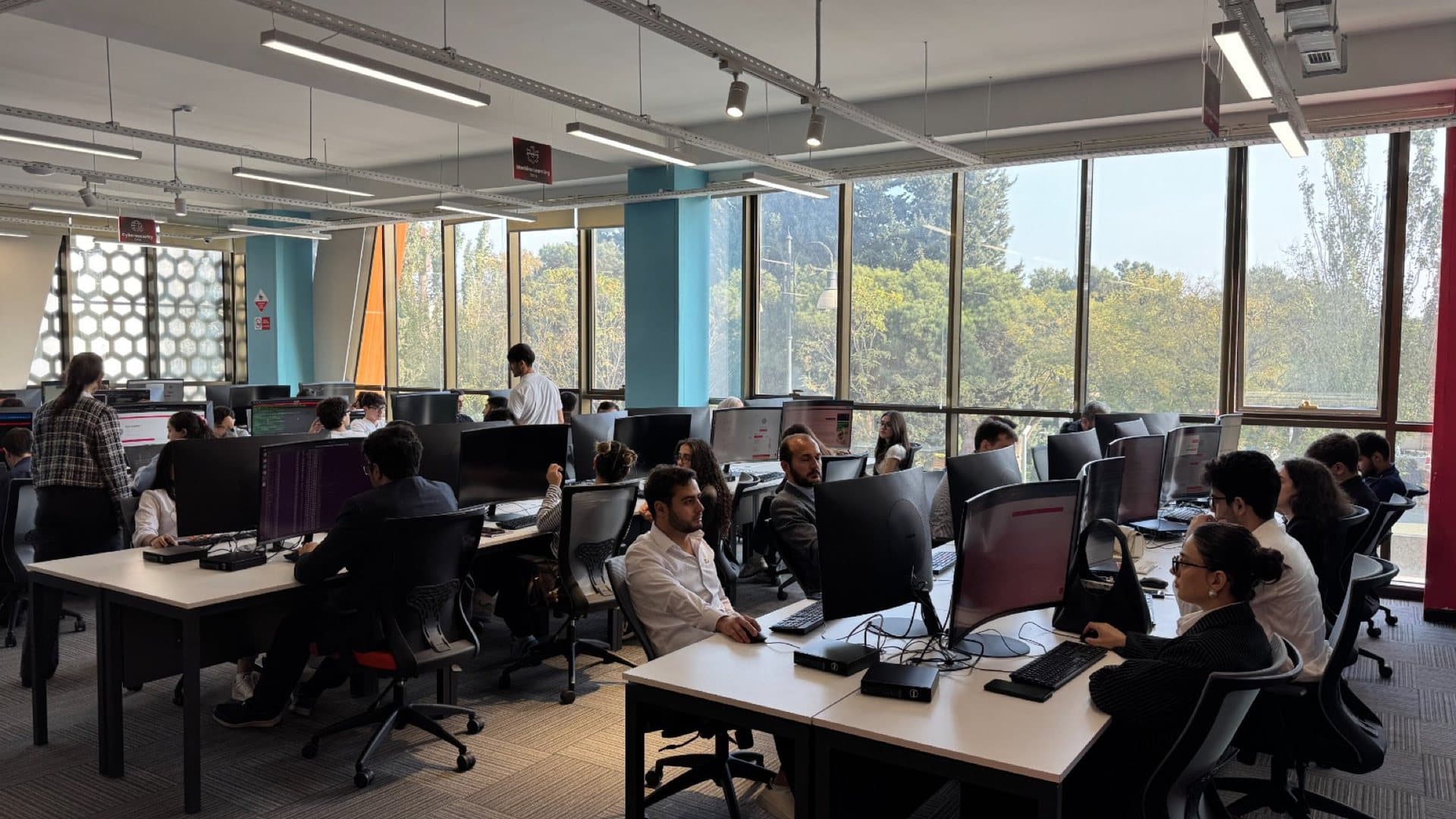
Low-Level Programming & Memory
Write C from scratch, manage memory by hand and understand exactly what the machine does with your code.
C • Pointers • Memory Management • GDB
Computer Science
Learn the core of computing - low-level programming, data structures, algorithms, operating systems and networks - and apply it to real engineering projects.
Frameworks change every few years; the fundamentals do not. The Computer Science track at Holberton School Azerbaijan trains builders to reason about memory, performance and system behaviour instead of memorising tools.
Learners write their own shell, memory allocators and data structures in C, then carry the same thinking into higher-level languages, databases and distributed systems.
Strong engineers understand every layer beneath their code. You build, measure and rebuild software from the ground up across three foundational stages.
Write C from scratch, manage memory by hand and understand exactly what the machine does with your code.
C • Pointers • Memory Management • GDB
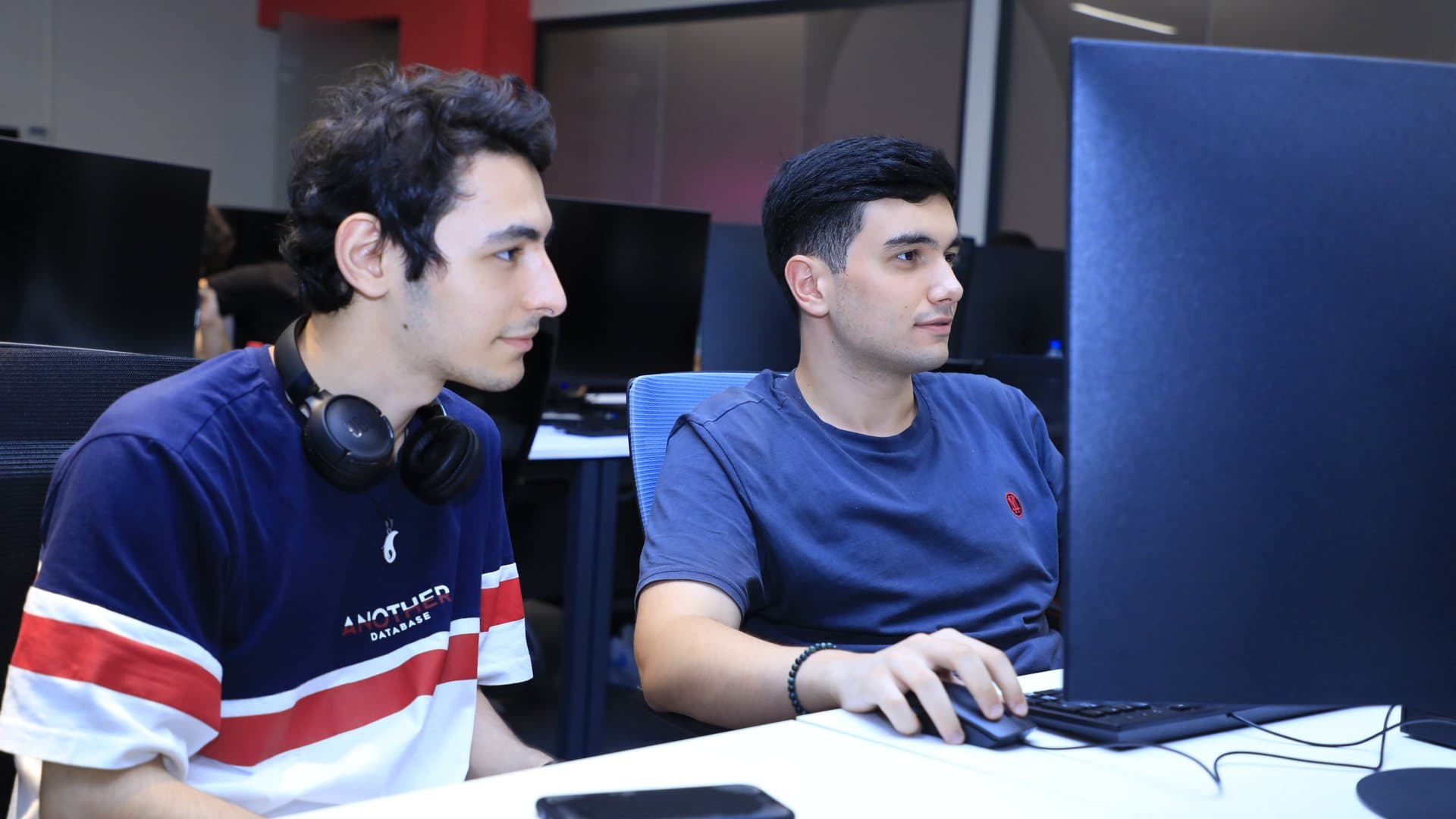
Implement the core structures and algorithms yourself, then measure and reason about their cost.
Linked Lists • Trees • Graphs • Big-O
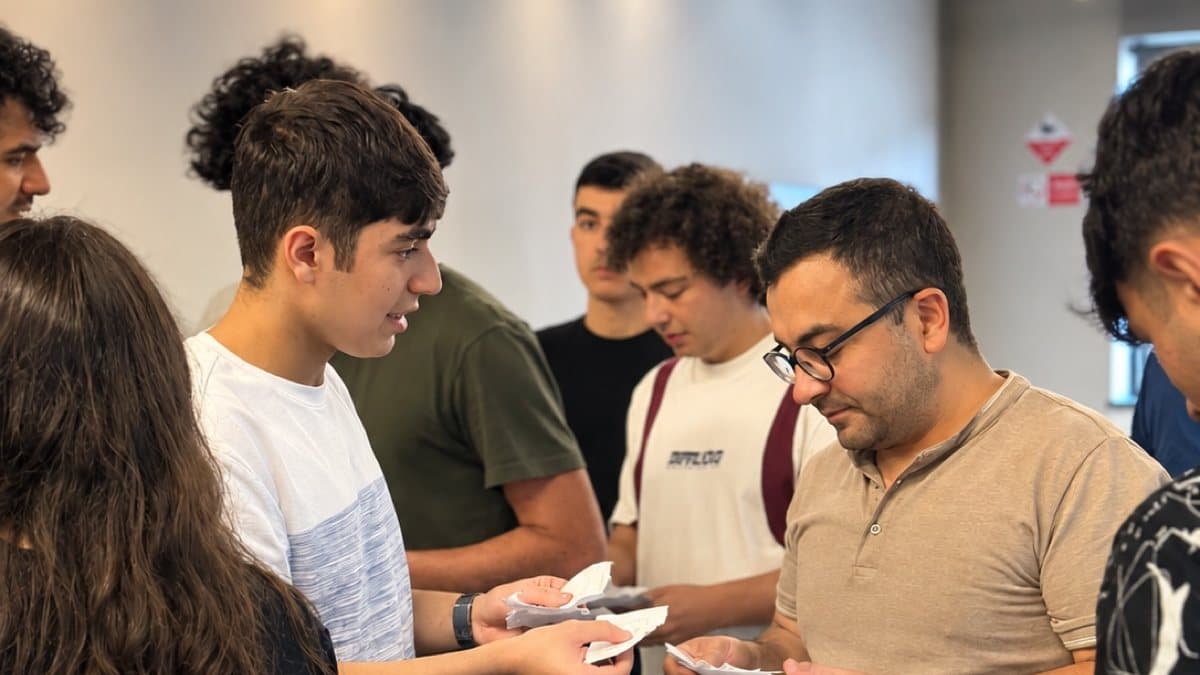
Operating systems, concurrency, networking and databases — and the engineering practice that turns them into reliable software.
Linux • Processes & Threads • TCP/IP • SQL
Structured modules designed to build depth and technical confidence sequentially.
Syntax, pointers, memory, compilation and debugging — the base every other module builds on.
Building and analysing the structures and algorithms used across all areas of software.
Processes, threads, scheduling, file systems and the synchronisation problems that come with them.
How machines talk to each other, how data is stored and queried, and how fundamentals carry into Python.
Designing and defending a complete software system built on everything learned in the track.
Graduates build competencies that map directly to high-demand software engineering roles across the regional and international ecosystem.
Software
Designing and building reliable software on a deep understanding of the underlying system.
Systems
Working close to the operating system on performance-critical and low-level code.
Backend
Building services, data layers and APIs that stay fast and correct under load.
Embedded
Programming devices and constrained hardware where every byte and cycle counts.
Infrastructure
Keeping production systems observable, available and recoverable.
Tools
Building the compilers, build systems and tooling other engineers rely on.
Ready to develop your skills through projects, collaboration and real technical challenges? Applications for the upcoming cohort are currently open.
Builders who want a deep, lasting foundation in software — including university students, career changers and developers who want to understand what happens beneath their frameworks.
No prior background is required. The curriculum starts with programming foundations in C and builds up step by step.
You will work with C, Linux, Bash, GDB, Git, Python and SQL, alongside the debugging and profiling tools used by professional engineers.
The program takes place at the official Holberton School Baku campus.
Complete the registration form, then the logic and reasoning assessment on campus. Successful candidates receive invitations for campus orientation and cohort onboarding.